History X Fiction
History X Fiction in Rag Time
What is Ragtime ?;
History in Ragtime;
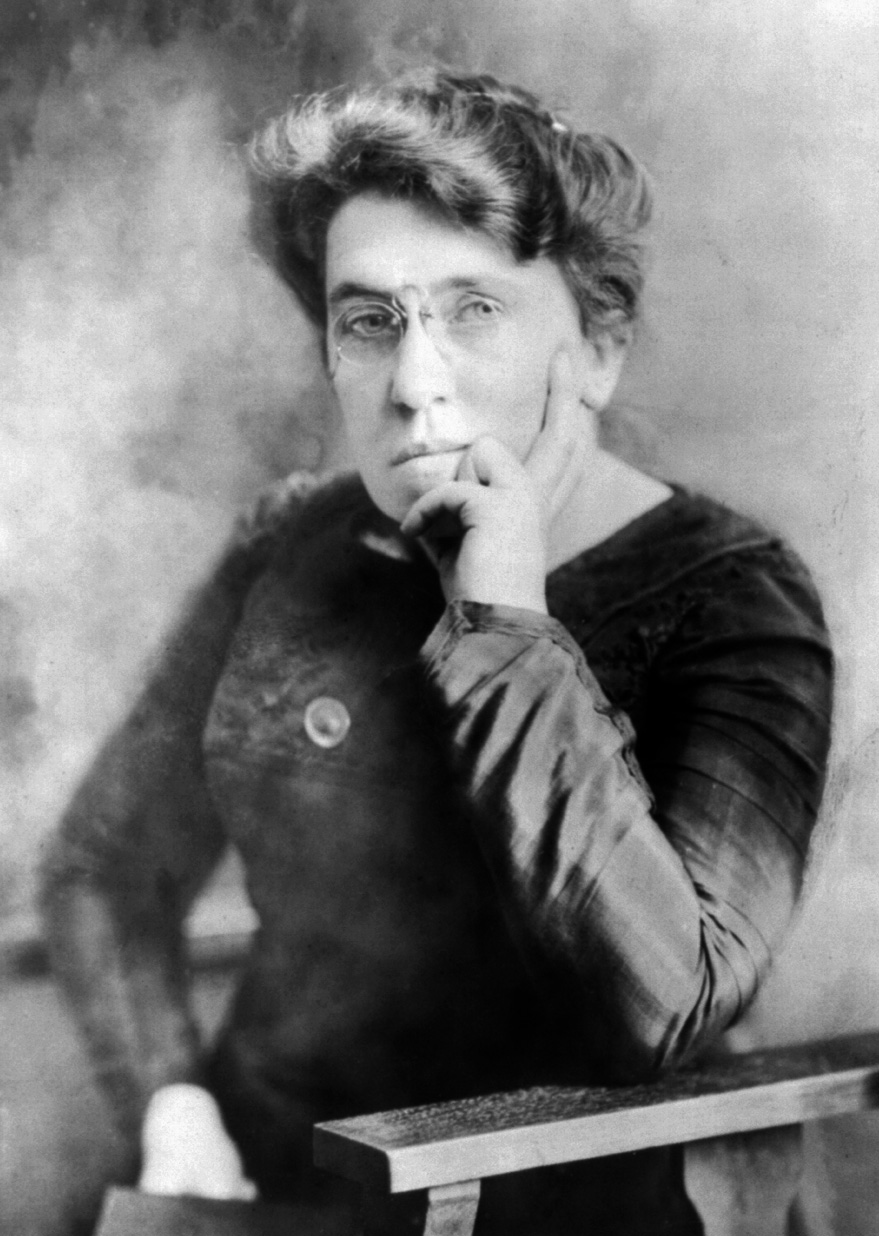 Fiction in Ragtime; As Doctorow keeps inserting historical characters and treating them as fictional, it is possible to notice grand fictional characters treated as historical persons/agents, isn't this odd ? The real question is why is there characters like Coalhouse, that haven't even exit, being treated more heroically than Emma Goldman? The answer to this event is that Doctorow is really not much interested if the characters are real or not, as we can see, real characters have their history and character marked and preserved not having space for change or creation. In the other hand, fictional characters can be created and modified through out the history, that means a lot for a writer such as Doctorow, to create a character that represents symbolically something as Coalhouse does. History X Fiction in Ragtime; Gathering all these ideas exposed on these blogs, it is surely possible to observe that Doctorow, as a talented writer that he is, loves to "play" with those concepts and explore it's barriers. He shows in his book that it's possible to mix these to areas and make great use of them by inserting a variety of historical characters and events together with fictional creations that truly engage the reader to read and understand what it's the significance between them. Here we can see some examples in some passages of the book. -Houdini and the New Rochelle family: A real historical figure meets a fictional upper-middle-class family. -Evelyn Nesbit and Tateh: The famous socialite interacts with a fictional Jewish immigrant and his daughter. -Booker T. Washington and Coalhouse Walker Jr.: the historical reformer debates with a fictional radical pianist. -Emma Goldman and Evelyn Nesbit: A real anarchist activist appears in an imagined intimate moment with a celebrity figure. |


Great post! I love your analysis of the way Dr O plays with history and fiction and the concepts in the book.
ReplyDeleteI really enjoy the ways that Doctorow does this because it makes the book warp reality in a really interesting way. I do think that it adds a layer of confusion if you know a lot about the raw historical characters and events though. Overall I think that the meshing also adds to the book's fictional elements because the downplaying of real events makes fictional events seem more historically relevant.
ReplyDeleteFor some of these imagined/fictional encounters between historical figures, we might think of it as a kind of "what if?" thought experiment on Doctorow's part: "what if Emma Goldman could speak openly to Evelyn Nesbit about feminist consciousness and a critique of the male gaze?" It might be fun to ponder a particular historical period and come up with similar kinds of "odd couples" and ponder how one might have influenced the other. And it can be a potent form of characterization as well: for readers of _Ragtime_, we will view Evelyn Nesbit as a more serious and deep person than her historical depiction may have suggested precisely because she is so open to Emma Goldman's radical counsel. Who cares if the "real" Evelyn Nesbit may have had no such critical consciousness? It reveals something about the gender dynamics of the era to *imagine* her developing this new perspective.
ReplyDeleteThis is a nice post, I like how you show though evidence that Dr. O creates Fictional characters and shows how they could have had a real place in history. I like how he kinda does the same thing for historical figures for example Thaw and Houdini.
ReplyDelete